






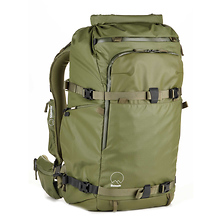

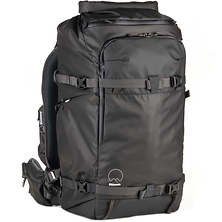
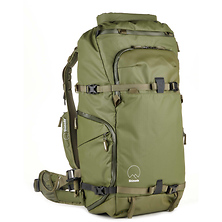
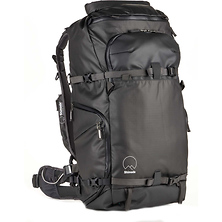
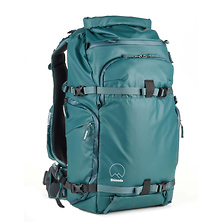
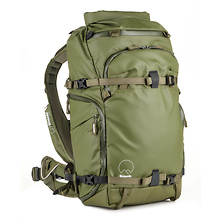
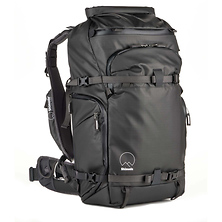
Camera Backpacks Built for Photographers
A good camera backpack transforms how you work and travel with your gear. Whether you're shooting a wedding, hiking to a landscape location, or commuting between studios, the right backpack keeps your equipment protected, organized, and accessible. Camera backpacks combine protective padding, customizable compartments, and weatherproof construction to safeguard expensive lenses and bodies while keeping you comfortable on long shoots.
Camera backpacks are engineered with photographers' workflows in mind, combining protective compartments and quick-access design. The best models offer quick-access panels that let you grab a lens without removing the pack, modular dividers you can customize for your specific kit, and load-bearing designs that distribute weight evenly across your hips and shoulders. You'll find weatherproof fabric, reinforced zippers, and pressure-sealed compartments that protect sensitive electronics from dust and moisture. Many include anchor points for tripods and external gear loops.
Beyond basic protection, modern camera backpacks balance capacity with portability. A 20-35 liter pack fits a mirrorless camera with 3-4 lenses and works for day assignments. A 40-50 liter bag accommodates a full kit of DSLRs, telephoto glass, flash systems, and batteries. Many designs incorporate laptop sleeves and organizational pockets for camera accessories, cables, and cleaning supplies, making them functional for photographers who work between field and office.
What to Look For in a Camera Backpack
Start with how much you typically carry. A street photographer with a mirrorless camera and two lenses needs different storage than a wedding photographer with backup bodies. Weight distribution matters on long shoots. Packs with padded hip belts transfer load to your hips, reducing fatigue during all-day events. Look for adjustable straps that accommodate your frame size. The best choice reflects how you actually work.
- Weatherproof fabric and sealed seams protect gear from rain and dust
- Modular dividers let you customize compartments for your specific kit
- Padded hip belts distribute weight and reduce shoulder strain
- Quick-access side panels or top openings for fast lens swaps
- Reinforced zippers and anchor points for secure fastening
- Dedicated laptop or tablet compartments for hybrid workflows
- Compression straps stabilize gear and reduce movement
- Breathable back panels prevent sweat buildup on long shoots
Camera Backpack Styles and Capacities
Compact day packs (15-25 liters) work for street photography with a single camera and 1-2 lenses. Midsize packs (30-40 liters) are the workhorse for event photographers with multiple lenses and accessories. Large capacity packs (45+ liters) accommodate multiple bodies, telephoto lenses, strobes, and support gear.
Many photographers own multiple sizes to match their workflow. A small pack for quick outings, a medium pack for typical assignments, and a rolling case for air travel and location work. Rolling backpacks and hard cases protect gear during airport handling and fit airline overhead bins, making them essential for destination photographers and crew members transporting equipment between locations. Some brands offer modular systems where you can clip on additional pouches or swap internal configurations based on your current needs.
Who Uses Camera Backpacks
Travel photographers rely on camera backpacks as their mobile studio. Whether hiking to a mountain landscape or moving between cities, a well-designed pack keeps expensive digital mirrorless cameras and lenses safe while remaining comfortable on long days. The best travel packs integrate with luggage, don't require unpacking at airport security, and perform across climates.
Event and wedding photographers need rapid gear access and ample capacity. You might carry two camera bodies, four lenses, flash systems, and backup batteries throughout a long day. A camera backpack with quick-access panels lets you swap lenses smoothly. Padded hip belts become essential when carrying heavy gear for hours.
Studio photographers and videographers transport equipment between locations with backpacks that hold video monitors, audio gear, and studio lighting alongside camera bodies and lenses. Durability and organization matter for regular transport and setup work.
Street photographers and content creators prefer compact, lightweight designs that blend into everyday environments. Minimalist aesthetics keep the focus on photography rather than gear.
Frequently Asked Questions
What size camera backpack should I choose?
Start with your typical load. If you usually carry a camera and 2-3 lenses, a 25-35 liter pack works well. Add a second body or more glass, and you'll want 35-45 liters. Remember that capacity ratings are generous; a pack rated for 40 liters may feel full at 30 liters when accounting for gear weight and protective padding. Sizing up leaves room as your kit grows over time.
Are camera backpacks waterproof or just water-resistant?
Most modern camera backpacks use water-resistant fabrics with sealed seams rather than full waterproofing. Water-resistant means they shed rain and resist moisture during extended outdoor sessions. Fully waterproof packs are heavier and restrict quick access. Water-resistant construction is sufficient for typical weather. If you shoot in heavy rain or near water, look for packs with roll-top closures or weatherproof covers as backup.
Can camera backpacks work for non-photography use?
Absolutely. While designed with photographers in mind, camera backpacks work well for laptops, electronics, travel gear, and outdoor activities. The modular compartments adapt to whatever you're carrying. Many photographers use a camera pack as their daily work bag because of the durable construction and thoughtful organization. The weatherproofing and protective padding benefit any valuable gear, not just cameras.
How do I organize a camera backpack efficiently?
Use modular dividers to separate camera bodies, lenses, flash systems, and batteries. Keep frequently used lenses in the quick-access section. Heavier items should sit against your back, closer to your center of gravity. Lighter items like cables and lens caps go in front pockets.
Do I need a dedicated camera backpack or can a regular hiking pack work?
Regular hiking packs have generic compartments that don't protect lenses from shifting. Camera backpacks include padded dividers and quick-access design built for photography workflows.
What's the difference between a camera backpack and rolling cases?
Backpacks distribute weight across your body for field work and hiking. Rolling cases protect gear during air travel and vehicle transport. Many photographers use both: a backpack for shooting, rolling cases and bags for travel.
Shop Camera Backpacks at Samy's Camera
Your camera backpack is an investment in both protection and comfort. Samy's Camera carries backpacks from brands trusted by professionals who understand photography workflows. Whether you need a compact day pack for travel, a modular system you can customize to your evolving kit, or dedicated transport solutions for multiple bodies, we have options built for how you actually work. Find the pack that matches your shooting style and gear, and spend more time behind the camera and less time worrying about your equipment.